Water Leak Detection in Denver, CO
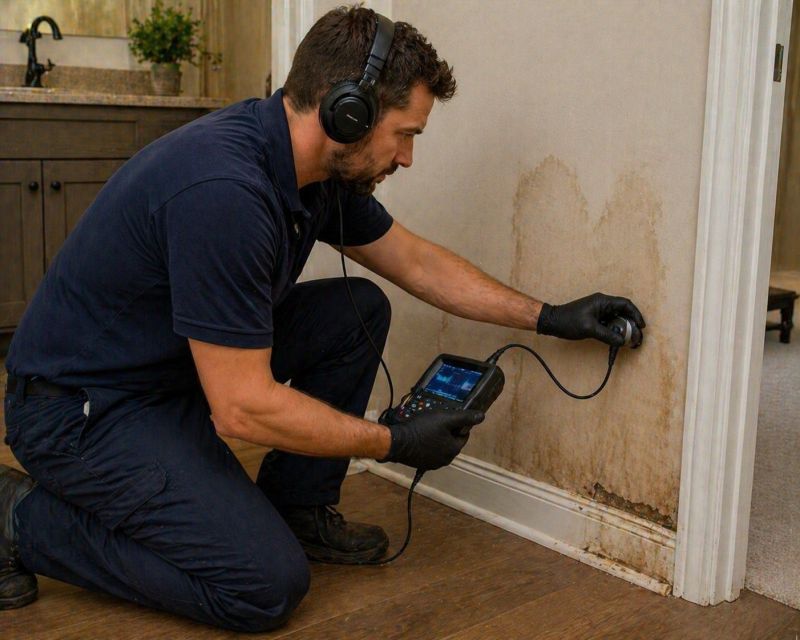
Water leak detection services help homeowners identify the source of hidden leaks within plumbing systems, walls, floors, or underground pipes. These services are useful for a variety of projects, including sudden increases in water bills, unexplained damp spots, or the presence of mold and mildew. Property owners often seek leak detection when suspecting a leak but cannot visually locate it, aiming to prevent further damage or costly repairs by pinpointing the exact location of the problem.
Before requesting leak detection, property owners typically want to understand the scope of the service, including which areas can be checked and what methods are used to locate leaks accurately. Clarifying whether the service covers interior plumbing, underground pipes, or hidden wall leaks can help ensure the project addresses specific concerns. Knowing what to expect during the process can also assist homeowners in preparing their property and making informed decisions about repairs or further inspections.
Many property owners in Denver, CO look into Water Leak Detection for repairs, replacements, upgrades, and appearance-related improvements.
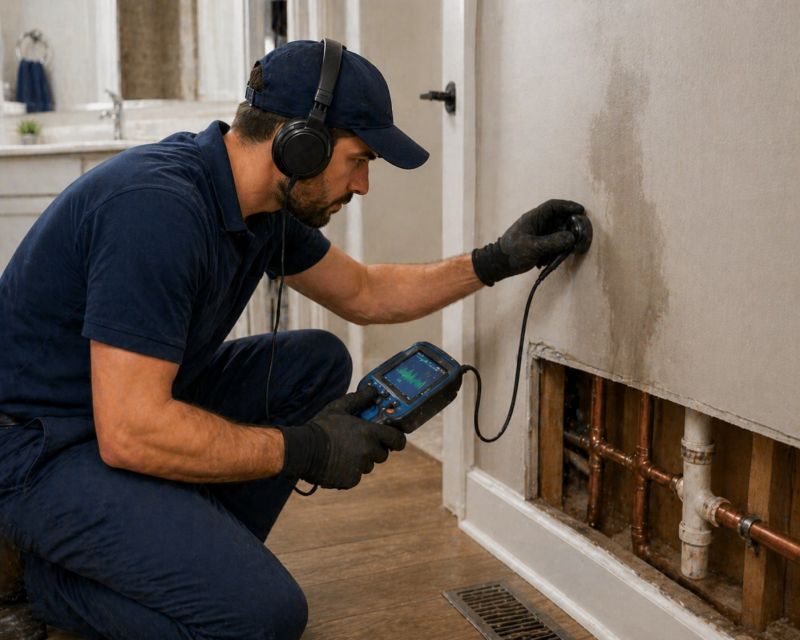
Identifying Hidden Leaks
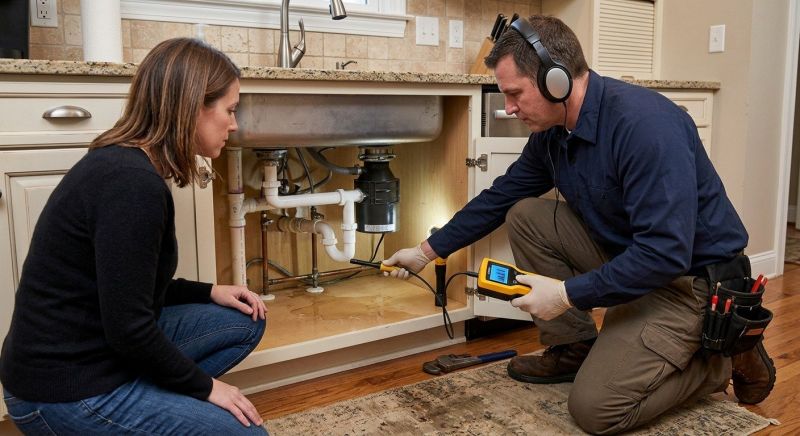
Advanced detection methods reveal leaks behind walls and under floors without unnecessary damage.
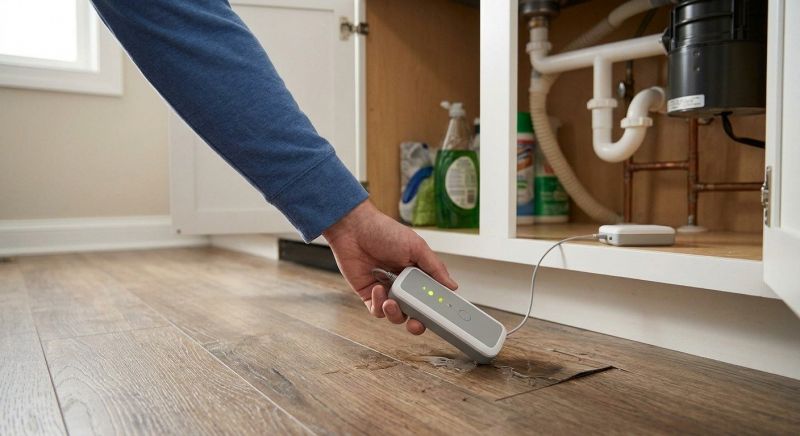
Preventing Water Damage
Early leak detection helps protect your property from costly water damage and mold growth.
Efficient Leak Location
Accurate pinpointing of leaks minimizes disruption and ensures targeted repairs for homes in denver, co.
Water Leak Detection in Denver, CO

Water leak detection services help homeowners identify the source of hidden leaks within plumbing systems, walls, floors, or underground pipes. These services are useful for a variety of projects, including sudden increases in water bills, unexplained damp spots, or the presence of mold and mildew. Property owners often seek leak detection when suspecting a leak but cannot visually locate it, aiming to prevent further damage or costly repairs by pinpointing the exact location of the problem.
Before requesting leak detection, property owners typically want to understand the scope of the service, including which areas can be checked and what methods are used to locate leaks accurately. Clarifying whether the service covers interior plumbing, underground pipes, or hidden wall leaks can help ensure the project addresses specific concerns. Knowing what to expect during the process can also assist homeowners in preparing their property and making informed decisions about repairs or further inspections.
Many property owners in Denver, CO look into Water Leak Detection for repairs, replacements, upgrades, and appearance-related improvements.
Common Water Leak Detection Jobs
Leak detection in plumbing systems - identifies hidden leaks behind walls and under floors.
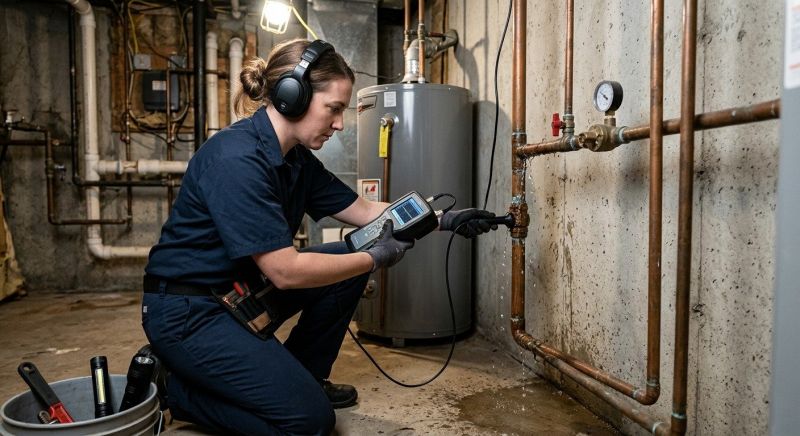
Water intrusion in basements - locates leaks that cause dampness and potential structural damage.
Sprinkler system leaks - finds underground or above-ground irrigation leaks to prevent water waste.
Roof and attic leaks - detects leaks that can lead to mold growth and insulation damage.
Pipe burst or failure detection - pinpoints broken or cracked pipes to minimize water damage.
Hidden leak surveys - uses advanced technology to find leaks in hard-to-access areas.
Water Leak Detection Questions
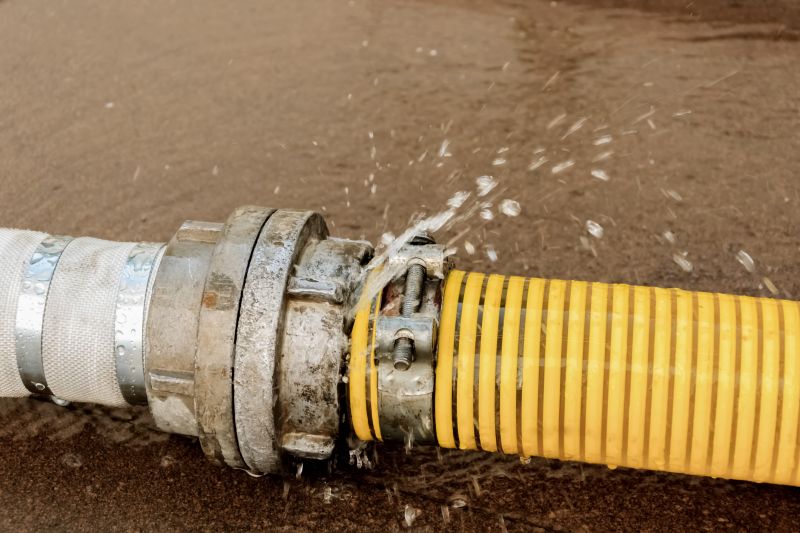
How can I tell if I have a water leak? Signs include unexplained increases in water bills, damp spots on walls or floors, or the sound of running water when no fixtures are in use.
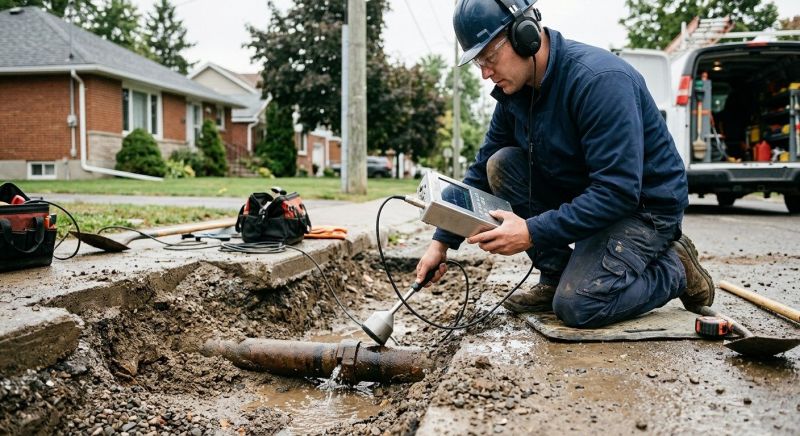
What types of leaks can be detected? Leak detection can identify issues in underground pipes, hidden plumbing behind walls, or leaks within appliances and fixtures.
Why is early leak detection important? Detecting leaks early helps prevent water damage, mold growth, and costly repairs to the property.
What areas are typically checked during leak detection? Common areas include plumbing behind walls, under floors, in basements, and outdoor water lines.
Request Water Leak Detection in Denver, CO
Use the quote form on this page to share the basics of your project and request more information for the type of work you need.