Gas Line Capping in Kansas City, MO
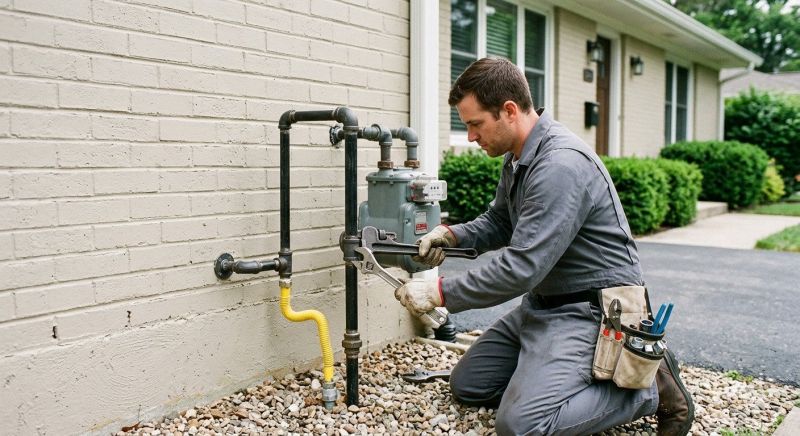
Gas line capping services involve safely sealing off existing gas lines that are no longer in use or need to be temporarily shut down. This process is commonly requested during home renovations, appliance upgrades, or when removing outdated gas fixtures such as stoves, water heaters, or outdoor grills. Property owners should understand that proper capping ensures the gas line is securely closed to prevent leaks, which is essential for safety and compliance. Before requesting this service, it’s helpful to know the location and condition of the existing gas lines, as well as any plans for future use of the space that may require adjustments to the capped lines.
Homeowners and property owners often seek gas line capping when making renovations or addressing safety concerns related to unused or abandoned gas connections. It’s important to clarify whether the gas line is active or inactive and to ensure that the capping process adheres to local building codes and safety standards. Understanding the scope of the project, such as whether the line runs underground or inside walls, can help determine the best approach for a secure and effective seal. Contacting professionals for an assessment can provide peace of mind and ensure the work is completed correctly.
Many property owners in Kansas City, MO look into Gas Line Capping for repairs, replacements, upgrades, and appearance-related improvements.
Gas Line Sealing And Safety
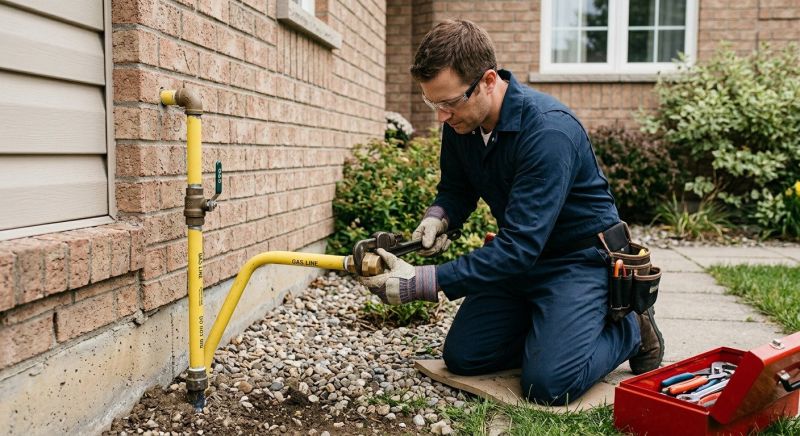
Proper capping ensures safety and prevents gas leaks in residential and commercial properties.
Services For Gas Line Disconnection
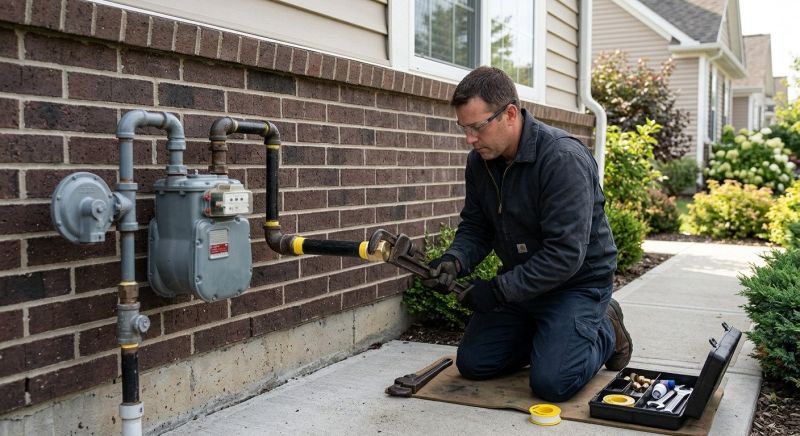
Gas line capping is essential when removing or decommissioning old or damaged gas lines.
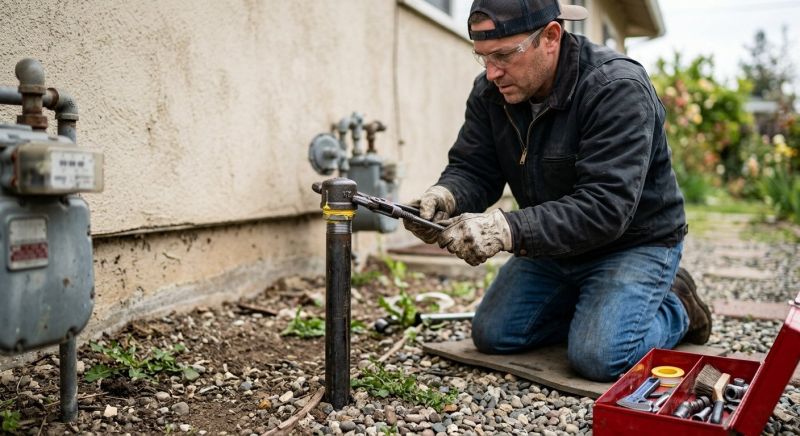
Residential And Commercial Applications
Gas line capping services are available for homes, businesses, and property renovations in kansas city, mo.
Gas Line Capping in Kansas City, MO
Gas line capping services involve safely sealing off existing gas lines that are no longer in use or need to be temporarily shut down. This process is commonly requested during home renovations, appliance upgrades, or when removing outdated gas fixtures such as stoves, water heaters, or outdoor grills. Property owners should understand that proper capping ensures the gas line is securely closed to prevent leaks, which is essential for safety and compliance. Before requesting this service, it’s helpful to know the location and condition of the existing gas lines, as well as any plans for future use of the space that may require adjustments to the capped lines.
Homeowners and property owners often seek gas line capping when making renovations or addressing safety concerns related to unused or abandoned gas connections. It’s important to clarify whether the gas line is active or inactive and to ensure that the capping process adheres to local building codes and safety standards. Understanding the scope of the project, such as whether the line runs underground or inside walls, can help determine the best approach for a secure and effective seal. Contacting professionals for an assessment can provide peace of mind and ensure the work is completed correctly.
Many property owners in Kansas City, MO look into Gas Line Capping for repairs, replacements, upgrades, and appearance-related improvements.
Common Gas Line Capping Jobs
Gas Line Capping - Properly sealing unused gas lines to prevent leaks and ensure safety.
Gas Line Removal - Safely disconnecting and capping gas lines during property renovations or demolitions.
Abandoned Gas Line Cap Installation - Installing caps on inactive gas lines to maintain code compliance and safety.
Emergency Gas Line Capping - Rapidly sealing damaged or leaking gas lines to prevent hazardous situations.
New Gas Line Capping - Sealing off existing gas lines during upgrades or re-routing projects.
Gas Line Inspection - Checking for potential issues before capping to ensure proper sealing and safety.
Gas Line Capping Questions
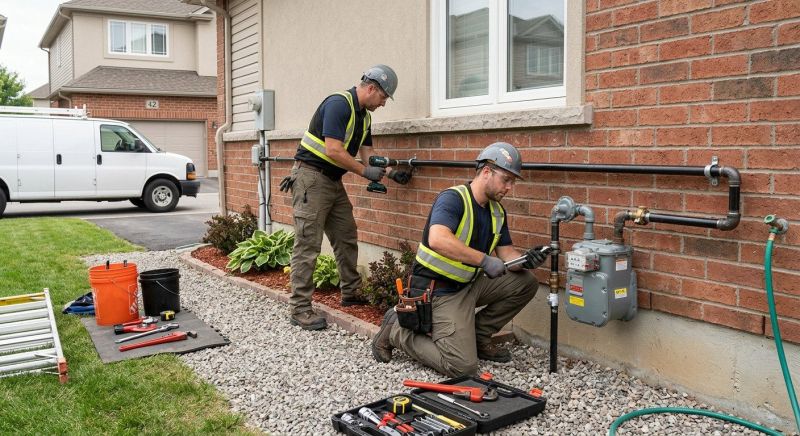
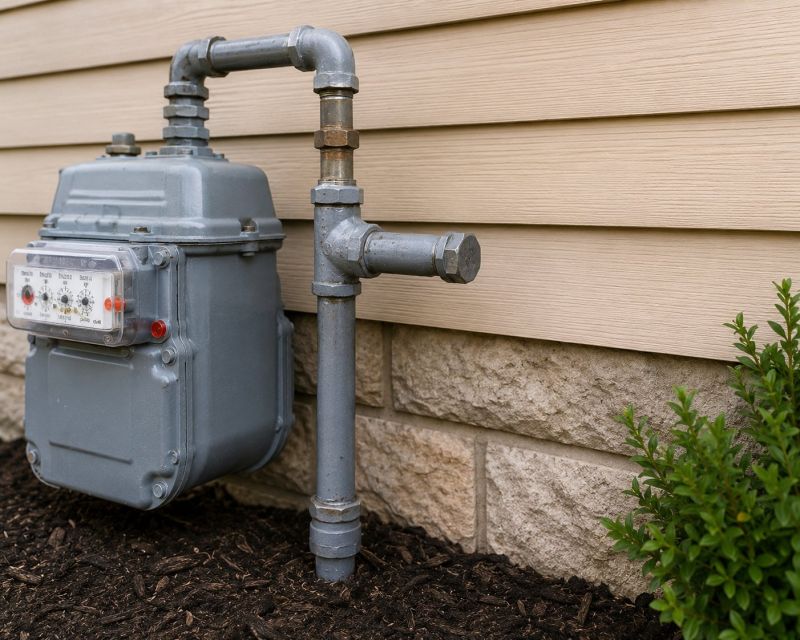
What is gas line capping? Gas line capping involves sealing off an unused gas line to prevent leaks and ensure safety when the line is no longer in use.
When should a gas line be capped? A gas line should be capped when a fixture, appliance, or service is removed or no longer needs a gas connection.
Can a gas line be capped outdoors? Yes, outdoor gas lines can be capped to safely terminate the line and prevent leaks or damage.
Is gas line capping safe for property owners? Properly capped gas lines reduce the risk of leaks and are a standard safety measure during renovations or decommissioning.
Request Gas Line Capping in Kansas City, MO
Use the quote form on this page to share the basics of your project and request more information for the type of work you need.