How Gas Line Problems Affect Fireplace Performance
Local service providers can diagnose and repair gas line problems that impact fireplace performance, ensuring safe, efficient operation and reliable heat.
Understanding how gas line problems affect fireplace performance is essential for property owners who rely on their fireplaces for warmth and ambiance. Issues with the gas line can lead to inconsistent flames, reduced heat output, or even safety concerns that compromise the enjoyment and functionality of a fireplace. Recognizing these signs early can help prevent more serious problems down the line, making it worthwhile to explore the services available from local contractors experienced in gas line repair and maintenance.
Property owners in the area may find it practical to learn about gas line issues and their impact on fireplace operation to ensure their systems run safely and efficiently. Whether addressing minor leaks or more complex repairs, local service providers can evaluate and resolve gas line problems to restore optimal fireplace performance. Keeping these systems in good condition not only enhances safety but also helps maintain the comfort and reliability that fireplaces are meant to provide.
- Gas line inspection - homeowners noticing inconsistent fireplace flames or odors may need local contractors to evaluate gas line integrity and identify potential issues affecting performance.
- Gas line repair - when gas supply disruptions or leaks are suspected, local service providers can diagnose and fix problems that hinder fireplace operation.
- Gas line replacement - outdated or damaged gas lines can impact fireplace efficiency, prompting local pros to recommend and perform necessary upgrades.
- Leak detection services - signs of gas leaks, such as hissing sounds or the smell of gas, require immediate assessment by local specialists to ensure fireplace safety and function.
- Fireplace venting and connection checks - improper gas line connections can lead to poor fireplace performance, and local contractors can verify and correct these setups.
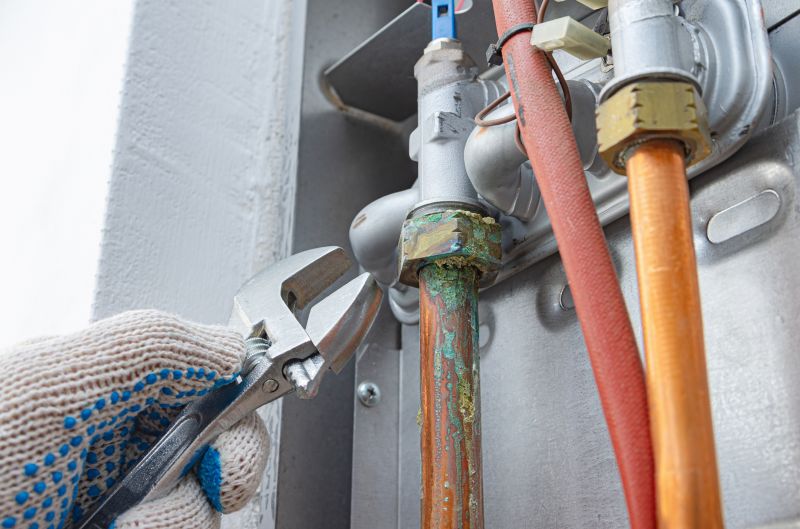
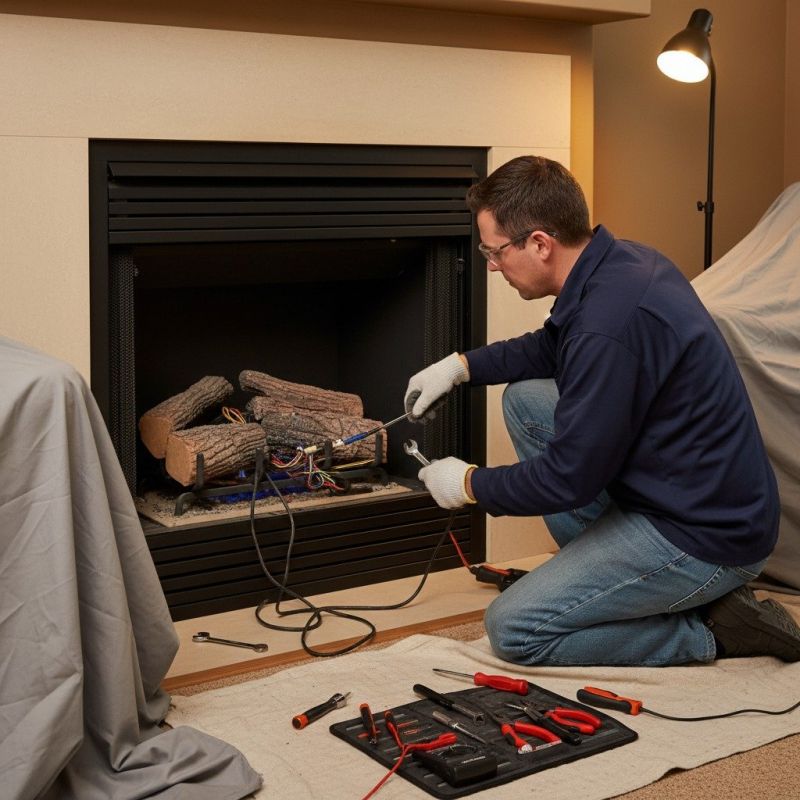
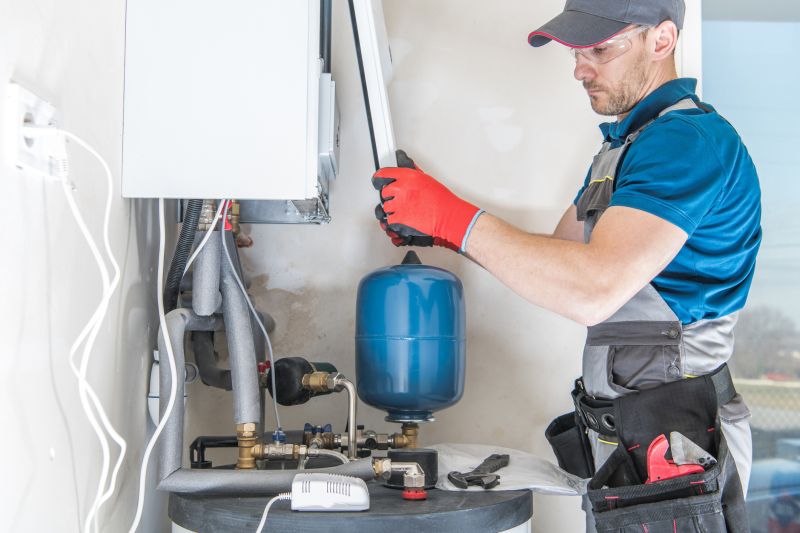
When homeowners search for information about how gas line problems affect fireplace performance, they are typically concerned about issues that cause their fireplaces to operate inefficiently or safely. These searches often stem from noticing symptoms like weak or inconsistent flames, strange odors, or difficulty igniting the fireplace. People may also be experiencing reduced heat output or hearing unusual noises during operation. Understanding how gas line problems influence fireplace function helps homeowners recognize when repairs are necessary to restore proper performance and safety.
Gas line issues related to fireplace performance can include a range of problems such as leaks, blockages, or improper installation. Leaks in the gas line can lead to dangerous situations and cause the fireplace to shut down or operate irregularly. Blockages or kinks in the gas line restrict the flow of fuel, resulting in weak flames or uneven heat distribution. Improperly installed or damaged fittings can also cause gas leaks or pressure drops, impacting the fireplace’s ability to burn efficiently. Addressing these problems often involves inspecting and repairing or replacing sections of the gas line to ensure it functions correctly and safely.
The types of properties that commonly encounter gas line problems affecting fireplace performance vary widely but often include older homes, new construction, or properties undergoing renovations. Older homes may have outdated or corroded gas lines that need attention, while newer properties might experience issues due to improper initial installation. Homes with built-in or custom fireplaces are also more likely to experience performance issues caused by gas line problems, especially if modifications were made without proper adjustments to the gas supply. Regardless of property type, experienced service providers can assess the specific situation and recommend appropriate repairs to improve fireplace operation.
Local contractors specializing in gas line repair play a crucial role in resolving issues that impact fireplace performance. These service providers can perform thorough inspections to identify leaks, blockages, or faulty connections and then carry out the necessary repairs or replacements. By addressing gas line problems promptly, homeowners can restore their fireplace’s efficiency and safety, ensuring it operates as intended. Connecting with qualified local pros helps ensure that gas line issues are handled correctly, providing peace of mind and reliable fireplace performance for years to come.
Gas line installation projects - these involve planning and executing proper gas piping, a skill set that directly relates to diagnosing and fixing gas line problems affecting fireplace performance.
HVAC and venting system upgrades - understanding airflow and venting issues can help identify how gas line issues impact fireplace efficiency and safety.
Gas appliance repair and replacement - working with gas appliances requires knowledge of gas lines, making these projects similar in planning and technical skills to gas line problem repair services.
Gas leak detection and repair - identifying leaks involves similar tools and techniques used to troubleshoot gas line problems that influence fireplace operation.
Plumbing and gas piping upgrades - these projects involve rerouting or replacing gas lines, which can affect fireplace performance when gas flow is compromised.
Fireplace installation and remodeling - proper installation requires understanding of gas line connections, making these projects related to ensuring safe and effective fireplace operation.
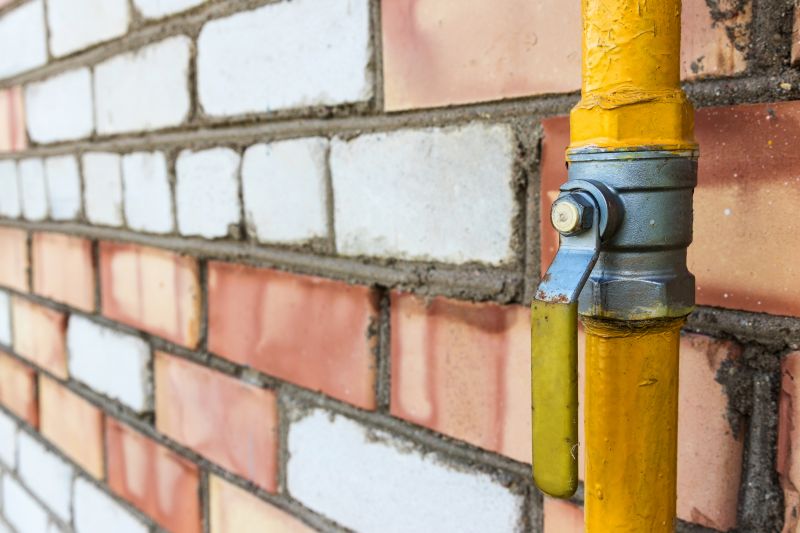
When comparing service providers for gas line problem repair related to fireplace performance, it is important to consider their experience with similar projects. Homeowners should seek out local contractors who have a proven history of addressing gas line issues in residential settings, especially those that impact fireplaces. An experienced professional will be familiar with common causes of gas line problems, such as leaks, blockages, or improper installation, and can better diagnose and resolve these issues efficiently. Verifying that a contractor has successfully handled projects comparable in scope and complexity can provide confidence that they are equipped to restore proper fireplace operation.
Clear written expectations are essential when evaluating potential service providers. Homeowners should look for contractors who are willing to provide detailed explanations of the repair process, including what work will be performed, the materials used, and any potential disruptions. Transparent communication helps ensure that both parties have a shared understanding of the scope of work and reduces the likelihood of misunderstandings. Service providers who articulate their approach clearly can help homeowners feel more comfortable and confident in the repair process, knowing what to expect at each stage.
Reputable references and effective communication are key factors in selecting a reliable local contractor. Homeowners are encouraged to ask for referrals or reviews from previous clients who had similar gas line issues affecting fireplace performance. Positive feedback and testimonials can offer insights into a contractor’s professionalism and quality of work. Additionally, good communication throughout the project-such as prompt responses to questions and updates on progress-can make the repair experience smoother and more predictable. Choosing a service provider known for clear, respectful communication and a strong reputation can help ensure the repair is completed to satisfaction.
Property owners often search for how gas line problems affect fireplace performance when they are planning practical projects around their homes and businesses. Local pros provide Gas Line Problem Repair services for everyday jobs and straightforward project options.
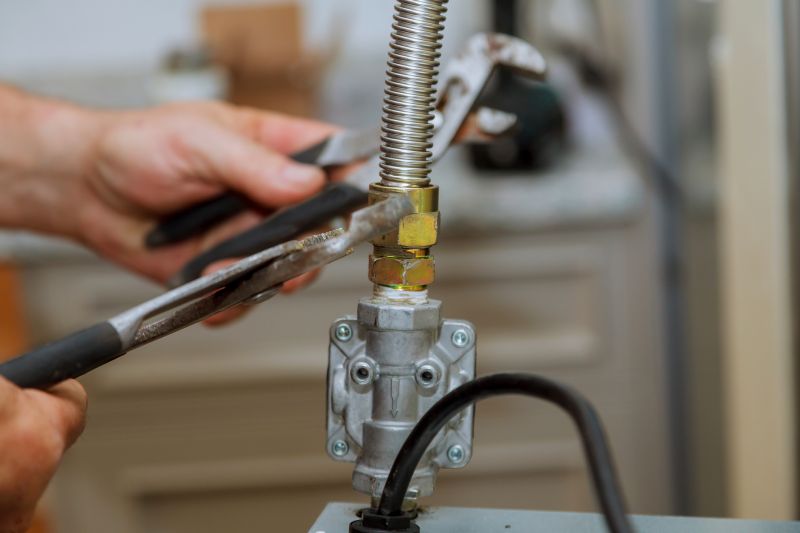
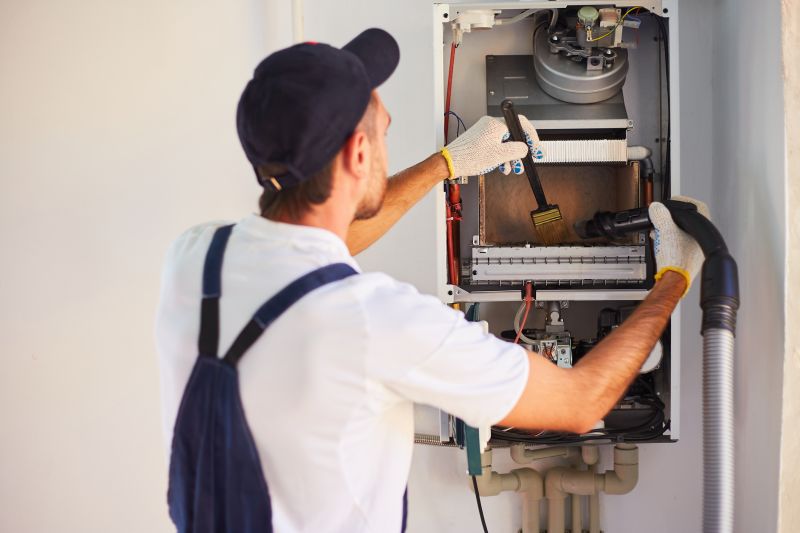
Gas line problems can significantly impact the performance of a fireplace, often leading to issues such as inconsistent flames, reduced heat output, or even safety concerns. Property owners in the area who notice their fireplace isn’t functioning as smoothly as it used to may look up this topic to understand potential causes and explore repair options. Local contractors specializing in gas line repair can evaluate the condition of the gas supply and determine if issues like leaks, blockages, or faulty connections are affecting fireplace operation, helping ensure the system runs safely and efficiently.
Many property owners turn to local service providers when they experience problems with their fireplace’s performance, especially if they suspect gas line issues. These professionals can diagnose and repair common problems that interfere with proper gas flow, restoring the fireplace’s ability to operate reliably. Whether it’s a minor leak or a more complex gas line concern, connecting with experienced local contractors can help address these issues promptly, improving fireplace functionality and peace of mind for homeowners.
How can gas line problems impact fireplace performance? Gas line issues can cause inconsistent or insufficient gas flow, leading to weak flames, difficulty igniting, or uneven heat distribution in fireplaces. Local service providers can diagnose and repair these problems to restore proper operation.
What are common signs of gas line problems affecting a fireplace? Signs include the fireplace not igniting, irregular flame patterns, smell of gas near the unit, or the flame going out unexpectedly. Local contractors can identify whether gas line issues are causing these symptoms.
Why is it important to have gas line problems repaired promptly? Ignoring gas line issues can lead to safety hazards, reduced fireplace efficiency, and potential damage to the fireplace components. Skilled service providers can address these concerns safely and effectively.
How do gas line problems affect the overall heat output of a fireplace? Gas line problems can restrict or disrupt gas flow, resulting in lower flame heights and diminished heat output, which reduces the fireplace’s ability to warm a space effectively. Local pros can restore optimal performance through proper repairs.
What types of gas line repairs do local contractors typically perform for fireplaces? They often handle leak repairs, gas line replacements, and adjustments to ensure proper gas pressure and flow, helping to improve fireplace performance and safety.
Identifying gas line leaks - Property owners can learn to recognize signs of leaks, such as inconsistent fireplace flames, and seek help from local contractors to address gas line issues.
Assessing fireplace airflow - Understanding how gas line problems impact airflow can help homeowners determine when to have a professional inspect and repair their gas lines for optimal performance.
Ensuring proper gas line installation - Planning for correct installation of new gas lines with the help of local service providers can prevent future performance issues with fireplaces.
Regular inspection routines - Incorporating routine checks of gas lines can help property owners catch problems early and coordinate repairs with local contractors to maintain fireplace efficiency.
If you are thinking about how gas line problems affect fireplace performance for a property, this guide is meant to help you understand this topic, the typical project types, and how different options might fit your plans.
When you are ready, you can use the quote form on this page to share a few details about your project. From there, local pros can review the basics and follow up with options that match what you have in mind.